The Best Tiny Home Builders in Gainesville FL for Your Dream Space
Why So Many Gainesville Homeowners Are Turning to Tiny Home Builders
If you're searching for tiny home builders in Gainesville, FL, it helps to understand the primary options available for your property:
Build TypeFoundationBest ForKey BenefitCustom Site-Built ADUPermanent Concrete SlabLong-term living, rental income, aging parentsHigh durability, matches main home, appreciates in value
Prefab / Modular UnitPermanent or Semi-PermanentQuick setup, standard layoutsFaster initial delivery
Tiny Home on Wheels (THOW)Trailer / ChassisTemporary housing, mobilityCan be moved if needed
North Central Florida is seeing a real shift in how people think about housing. Homeowners across Gainesville, Alachua, Newberry, and the surrounding area are adding backyard guest cottages, multigenerational ADUs, and compact primary residences to their properties — and the demand for experienced local builders who can handle it all is growing fast.
It's easy to see why. A well-built tiny home or ADU can add livable space, generate rental income, or house a family member — all without buying a new property.
But not all tiny homes are created equal. There's a big difference between an out-of-state prefab unit dropped in your backyard and a properly permitted, permanently built structure that meets Florida Building Code and holds up to North Florida's heat, humidity, and storm season.
This guide breaks down what you need to know before you build a tiny home or Accessory Dwelling Unit (ADU) in Gainesville and Alachua County.
Choosing the Right Tiny Home Builders in Gainesville FL
When you start looking at tiny home builders in Gainesville, FL, you will quickly realize there is a massive fork in the road: do you go with a national, out-of-state prefab manufacturer, or do you work with a licensed local general contractor who specializes in custom, permanent builds?While the idea of ordering a house online and having it delivered on a flatbed trailer sounds incredibly simple, the reality in Florida is rarely that easy.
Our state has some of the strictest building codes in the nation due to high winds and hurricane risks. Local municipalities like Gainesville, Alachua, High Springs, Newberry, and the Town of Tioga have precise zoning laws and setback requirements that prefab out-of-state structures often fail to meet.
By choosing a local licensed general contractor, you gain a partner who understands the local soil, the local inspectors, and the specific wind-load requirements of Alachua County. If you are trying to decide what kind of partner you need for your next project, it helps to read The Ultimate Guide to Finding Custom Home Builders and Remodelers.
Working with a local team means your home is built to stay, built to code, and built specifically for your lifestyle. To explore how to find the perfect building partner for your project, take a look at Your Dream, Your Builder: Discovering Specialized Home Construction Experts as well as our guide on How to Find a Florida Custom Builder Who Actually Calls Back.
Choosing custom construction over a mass-produced unit ensures that your tiny space doesn't feel like a boring box. For a deeper dive into why tailored construction wins every time, check out Why Settle for a Cookie Cutter When You Can Build Custom in Gainesville.
Custom Tiny Home Designs and Pricing in North Central Florida
The tiny home market has evolved far beyond basic wooden sheds on wheels. Today, you can choose from a wide variety of architectural styles, floor plans, and pricing tiers.In the tiny home market, pricing varies widely depending on the construction method. Simple, non-foundation prefab shells can start as low as $25,000, while fully finished, turn-key mobile units often range from $50,000 to over $100,000. For those who prefer a DIY approach, unfinished shell models are sometimes available at a fraction of the cost of fully finished units.
While these entry-level prices are tempting, permanent site-built tiny homes and Accessory Dwelling Units (ADUs) offer a different kind of value.
Built on a permanent concrete slab foundation with high-quality, local building materials, custom site-built homes are priced based on square footage, complexity, and finishes.
Though the upfront cost per square foot for a site-built home may be higher than a basic trailer-mounted shell, it represents a permanent real estate asset that appreciates over time, rather than a depreciating vehicle. To understand how to budget for these projects, read about Building the Dream with Affordable Custom Homes in Florida and explore our guides on custom home design.
Custom Layouts from Local Builders in Gainesville FL
When designing a tiny home, every single square inch must earn its keep. Local builders in the Gainesville area offer several smart layouts to maximize efficiency:- Studio Layouts: Perfect for backyard home offices, creative studios, or simple pool houses. These open-concept designs combine the living, sleeping, and dining areas into one seamless space.
- One-Bedroom Guest Cottages: Excellent for short-term rentals or hosting out-of-town guests. These layouts separate the bedroom from the main living area, offering privacy and comfort.
- Two-Bedroom ADUs: Ideal for housing aging parents or adult children. These larger layouts often feature a split-bedroom plan, a full kitchen, and a comfortable living area.
- Custom Loft Spaces: Utilizing vertical space is a classic tiny home strategy. Lofts can serve as cozy sleeping quarters, extra storage, or a quiet reading nook.
If you are ready to design a custom layout from scratch, our team can help you map out a floor plan that fits your property perfectly. Learn more about how we guide clients through this journey in A Practical Guide to Custom Home Design Process.
Why Permanent Site-Built Construction Beats Prefab Tiny Homes
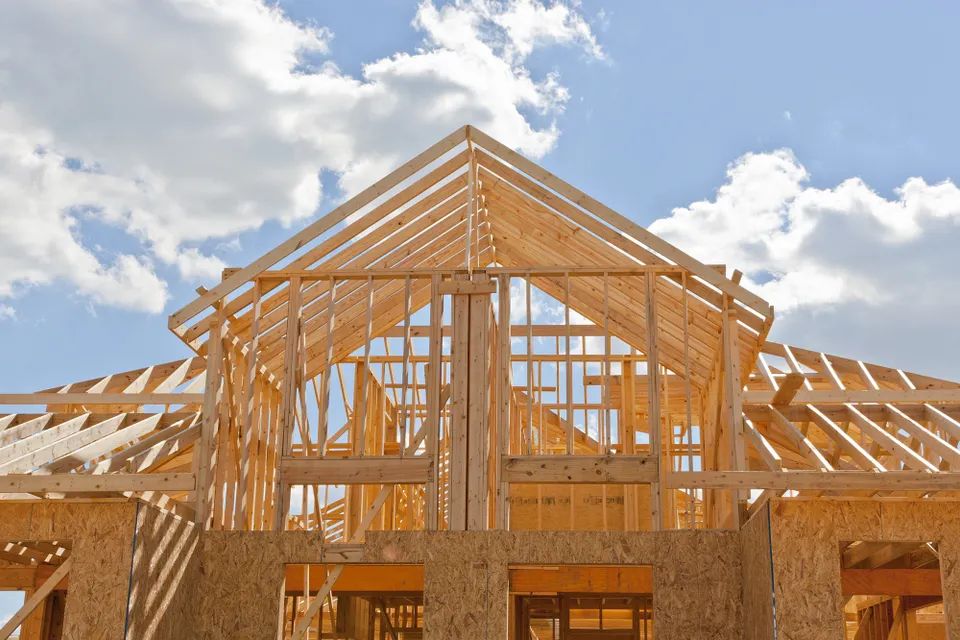
While tiny homes on wheels (THOWs) offer mobility, permanent site-built homes constructed with concrete block or sturdy wood framing provide unmatched durability and safety in Florida.FeaturePermanent Site-Built ADUPrefab / Tiny Home on WheelsFoundationPermanent concrete slabTrailer, wheels, or temporary piers
Wind ResistanceBuilt to Florida Building Code (up to 140+ mph)Limited; highly vulnerable in major storms
Property ValueAppreciates as real estate; increases equityDepreciates over time (similar to an RV)
Zoning & PermittingWidely accepted as ADUs in GainesvilleStricter zoning; often restricted to RV parks
FinancingEligible for traditional construction loans & HELOCsOften requires high-interest personal loans
LongevityDecades of durability with minimal maintenanceHigher maintenance; shorter structural lifespan
Gainesville is beautiful, but it is no stranger to severe summer storms, high winds, and humidity. Building a permanent structure ensures your home complies with the strict Florida Building Code, giving you peace of mind during storm season. If you want to see what makes permanent new construction in Gainesville so appealing, check out New Construction Homes in Gainesville FL That Will Make You Want to Move.
Key Use Cases and Zoning for Gainesville Tiny Homes
How you plan to use your tiny home will largely dictate how it should be built and where it can be placed. In Gainesville and Alachua County, we see several popular use cases:- Student Housing: With the University of Florida nearby, a backyard ADU is a fantastic way to provide safe, affordable housing for a student family member or to rent out to graduate students.
- Short-Term Rentals (Airbnb): Gainesville is a major hub for Gator football games, medical visitors at UF Health, and tourists visiting Paynes Prairie. A stylish tiny home can be a highly lucrative short-term rental.
- Multigenerational Living: Many families build backyard cottages so their aging parents can live close by while still maintaining their independent living space.
- Backyard Offices & Studios: As remote work remains popular, a detached backyard office provides the perfect quiet boundary between work and home life.
Before you buy a trailer or clear a spot in your yard, you must navigate the local zoning laws. Gainesville and Alachua County have specific rules regarding Accessory Dwelling Units (ADUs). Generally, an ADU must be placed on a lot with an existing single-family home, must meet local setback requirements (typically 5 to 10 feet from property lines), and must connect to approved water, sewer, or septic systems.
For official local code context, homeowners can review the City of Gainesville Code of Ordinances and then confirm the current requirements with the appropriate city, county, or HOA authority before moving forward. Rules can vary between Gainesville, High Springs, Alachua, Newberry, and the Town of Tioga, which is why working with a local North Central Florida builder is so valuable.
Navigating these regulations, securing building permits, and coordinating utility hookups can be complex. That is why it is so important to work with a local builder who knows the ropes. You can learn more about how we handle everything from zoning to final inspection in From Concept to Keys: Finding Your Ideal North Florida Design-Build Partner.
For context on the broader Gainesville housing market and how local builders operate, you can read our comprehensive guide, Unlocking Gainesville's New Home Market: A Buyer's Guide.
Frequently Asked Questions about Gainesville Tiny Homes
Can I place a tiny home on my property in Gainesville?
Yes, but it depends heavily on how the tiny home is constructed and zoned. Permanent Accessory Dwelling Units (ADUs) built on a solid foundation are widely accepted in many residential zones in Gainesville and Alachua County, provided they meet setback rules and size limits.However, Tiny Homes on Wheels (THOWs) are often classified as recreational vehicles (RVs). In many parts of Gainesville, living in an RV on a residential lot full-time is restricted or prohibited by local zoning ordinances. Always verify your specific zoning and HOA rules before making a purchase.
How much does it cost to build a tiny home or ADU in Florida?
The cost varies widely based on construction type. A simple, non-foundation prefab shell can start as low as $25,000, while fully finished, turn-key mobile units often range from $50,000 to over $100,000.For a permanent, site-built ADU constructed to Florida Building Code, prices typically start higher due to foundation work, utility connections, permitting, and high-quality local labor. However, this option adds significant long-term real estate value to your property.
What financing options are available for tiny homes?
If you are building a permanent ADU on your property, you can often secure financing through a Home Equity Line of Credit (HELOC), a cash-out refinance, or a specialized construction loan.For mobile tiny homes on wheels, buyers typically rely on personal loans, RV loans, or manufacturer-sponsored financing, which often carry higher interest rates and shorter repayment terms. Getting preapproved by a local lender is always the best first step before starting your design.